
How to Know When to Replace Your Water Heater (And Save Big on Upgrades)
There’s nothing quite like going into a hot shower, only to be blasted by ice-cold water. While water heaters are usually out of sight and out of mind, they work constantly behind the scenes to keep your Eastern Washington or Eastern Oregon home running smoothly.
Like every major home appliance, water heaters don’t last forever. Catching the warning signs early saves you from messy basement floods, emergency repair bills, and skyrocketing energy costs.
Repair or Replace? It Depends on the Problem
Not every water heater problem means it’s time for a replacement. Many common issues, such as a faulty thermostat, heating element, pressure relief valve, or pilot light, can often be repaired, restoring reliable hot water without replacing the entire unit.
Regular maintenance also plays an important role in extending your water heater’s lifespan. Periodic tank flushing, anode rod inspections, and routine servicing help reduce sediment buildup, improve efficiency, and delay premature wear.
However, some problems indicate that repair is no longer the most practical or cost-effective solution.
When Replacement Is the Smarter Investment
Here are the 5 telltale signs that it’s time to replace your water heater—and how upgrading can actually put money back in your pocket.
1. Your Water Heater Is Over 8–12 Years Old
Standard tank water heaters typically have a lifespan of 8 to 12 years. If your unit is approaching or past the decade mark, it’s living on borrowed time.
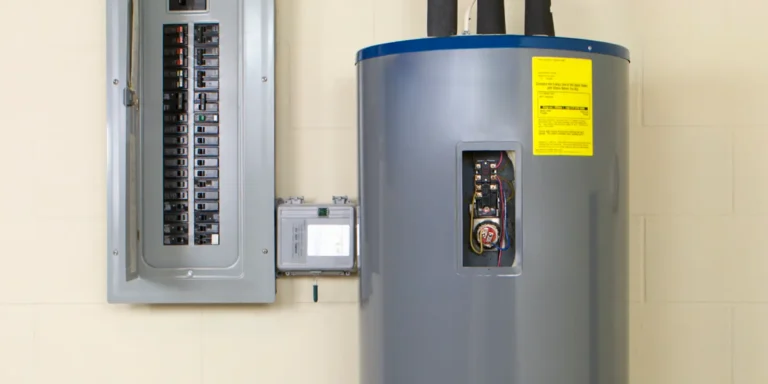
How to check the age: Look at the manufacturer sticker on the side of your tank. The serial number usually starts with a month and year code (e.g., “A14” often stands for January 2014).
2. Rusty Water or Corrosion Around the Tank
If rusty or reddish water comes out of your hot water taps but runs clear when you turn on cold water, the inside of your water heater tank is likely corroding. Once internal rust sets in, an eventual leak or rupture is practically guaranteed.
3. Strange Rumbling, Popping, or Knocking Sounds
Over time, hard water deposits sediment at the bottom of the tank. As the heating element warms the water, it boils the trapped moisture beneath this layer of sediment, causing loud popping or rumbling noises. Sediment buildup forces your unit to burn far more energy just to reach temperature, hastening system failure.
4. Leaks or Moisture Around the Base
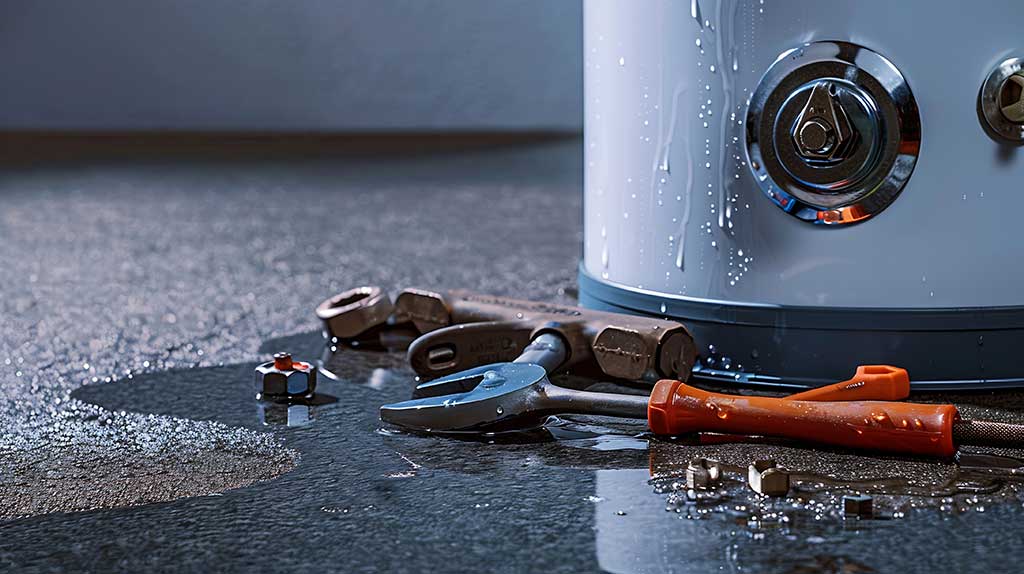
Active water pooling around the bottom of the tank is a red flag. As metal heats and cools, it expands and contracts. Over many years, this stress creates microscopic fractures in the tank. A leaking tank cannot be safely repaired; it requires replacement.
Even a slow tank leak can damage flooring, drywall, insulation, and stored belongings. Replacing a failing water heater before it ruptures is often far less expensive than repairing water damage.
5. Rising Utility Bills & Lukewarm Water
If your hot water showers are getting shorter or your utility bills are creeping upward despite normal usage, your unit is losing heating efficiency.
Upgrading Pays Off: Energy Efficiency & Local Rebates
Replacing an old water heater isn’t just an unexpected expense; it’s an opportunity to cut your monthly energy bills. Modern Hybrid Heat Pump Water Heaters use up to 70% less electricity than standard models.
At Eclipse Heating and Cooling, we partner directly with the Energy Trust of Oregon and local utility providers across Eastern Washington and Oregon to bring you maximum cash-back rebates and incentives:
DID YOU KNOW?
According to the U.S. Department of Energy, water heating accounts for about 18% of a home’s energy use, making it the second-largest energy expense in many households after heating and cooling.
Choosing the Right Water Heater
Today’s homeowners have several water heater options, each with its own advantages depending on your home’s size, hot water demand, and energy-saving goals.
Not sure which system is right for your home? An experienced technician can evaluate your household’s hot water needs and recommend the best solution for your budget and long-term energy savings.
Why Choose Eclipse Heating and Cooling?
Since 2015, homeowners across Eastern Washington and Eastern Oregon have trusted us for reliable, stress-free plumbing and HVAC service.
Our technicians evaluate your household’s hot water usage, available installation space, electrical or gas connections, and energy-saving goals to recommend the right water heater replacement, not simply the most expensive option.
Is Your Water Heater Showing Its Age?
Don’t wait for a flood to take action. Contact Eclipse Heating and Cooling today for an expert inspection or a free quote on an energy-efficient replacement.
Whether your current water heater needs a repair or it’s time for an energy-efficient replacement, Eclipse Heating and Cooling can help. We’ll inspect your system, explain your options, and recommend the best solution for your home and budget.