
Planning an HVAC Upgrade? Here’s What Every Washington & Oregon Homeowner Should Know
If you’re planning to replace your heating and cooling system in Eastern Washington or Eastern Oregon, you’ve probably heard about new energy efficiency requirements, heat pump incentives, and changes to HVAC equipment.
The good news? These updates are creating more opportunities for homeowners to install efficient, comfortable systems while taking advantage of valuable rebates and tax credits.
The even better news is that most homeowners do not need to replace a working HVAC system simply because the energy codes have changed. However, if your furnace or air conditioner is nearing the end of its life, or you’re planning a remodel or new construction, understanding today’s requirements can help you make a smarter long-term investment.
Why Are Washington and Oregon Updating Their Energy Codes?
Both Washington and Oregon periodically update their residential energy codes to encourage higher-efficiency homes that use less energy while improving year-round comfort.
For homeowners, these updates generally encourage:
Rather than viewing these changes as additional regulations, think of them as an opportunity to invest in equipment that can deliver lower operating costs for years to come.
Do the New Codes Affect Existing Homes?
In most cases, no.
Simply owning an older furnace or air conditioner does not mean you are required to replace it because the codes have changed.
The updated requirements are generally most relevant if you’re:
Every home is different, which is why working with a licensed HVAC contractor is the best way to determine which equipment is appropriate for your home and local code requirements.
Heat Pumps Continue to Gain Popularity
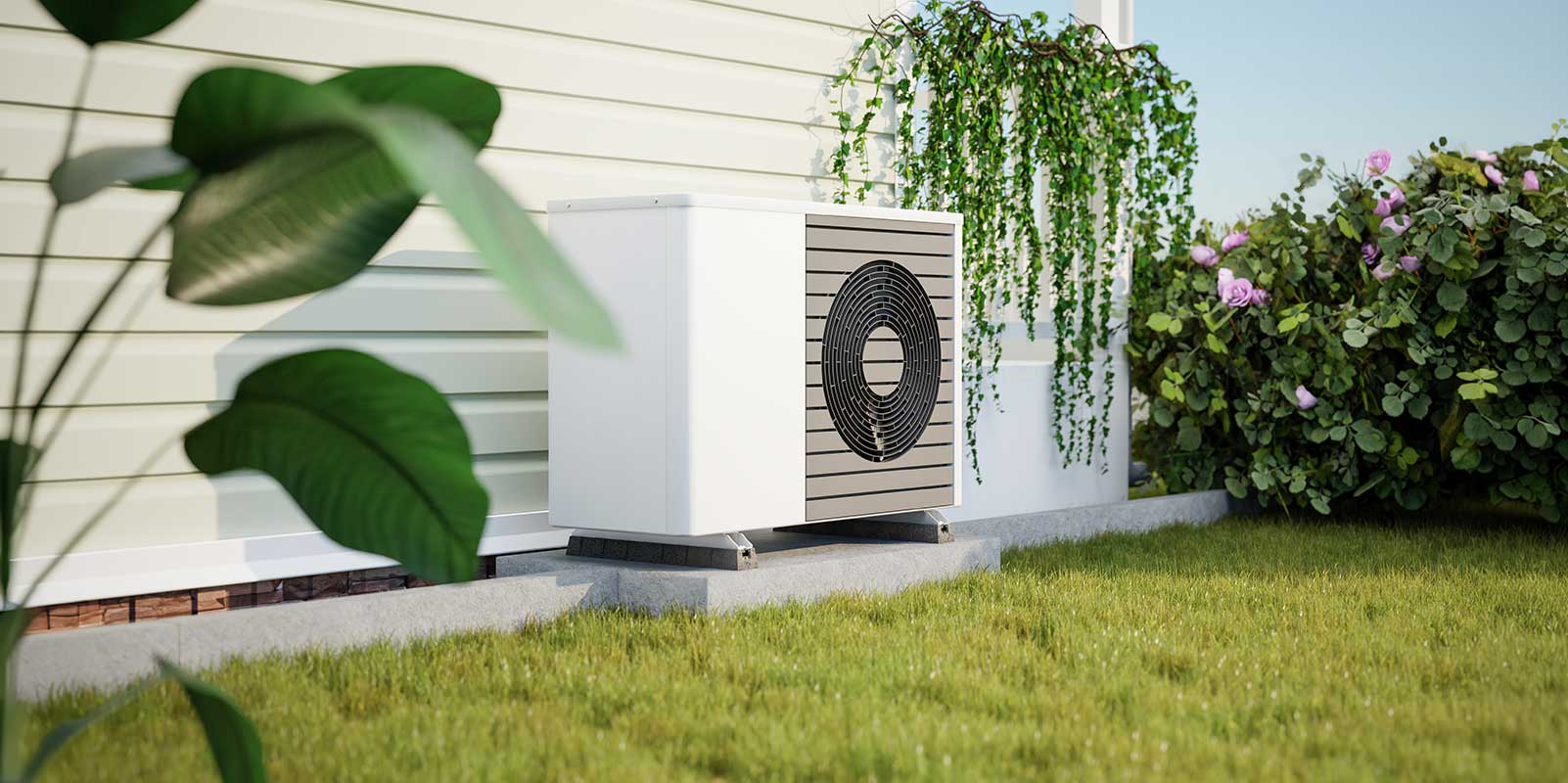
One of the biggest trends reflected in today’s energy codes is the growing use of high-efficiency heat pumps.
Unlike traditional systems that generate heat, heat pumps transfer heat, allowing them to provide both heating and cooling from a single system while using significantly less energy.
Today’s cold-climate heat pumps perform far better than many homeowners realize and can provide reliable comfort throughout much of Eastern Washington and Eastern Oregon.
Depending on your home and existing equipment, a heat pump may offer benefits such as:
A professional HVAC evaluation can determine whether a heat pump, gas furnace, dual-fuel system, or another solution is the best fit for your home.
Rebates Can Help Offset Upgrade Costs
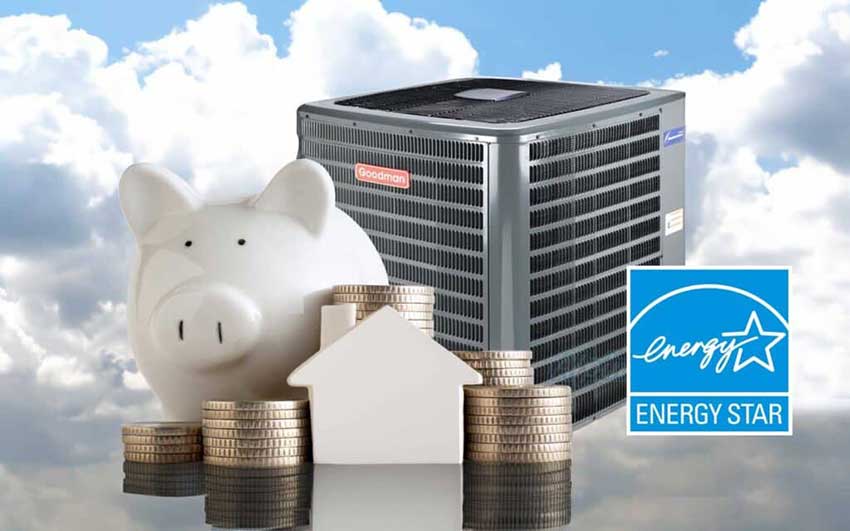
One of the biggest reasons many homeowners are considering HVAC upgrades is that many incentive programs focus on qualifying high-efficiency heat pumps and other ENERGY STAR® equipment.
Because available rebates can change throughout the year, and eligibility often depends on the specific equipment installed, it’s worth checking current programs before making your final decision.
One reason many homeowners are considering HVAC upgrades now is the availability of financial incentives.
Need help navigating local rebate rules? Stacking state, utility, and trade ally incentives can be tricky. As an Energy Trust of Oregon Trade Ally, Eclipse Heating & Cooling handles the paperwork and ensures you don’t leave available savings on the table.
Contact Eclipse Heating & Cooling Today to check which rebates apply to your address.
New HVAC Systems Are Also Transitioning to A2L Refrigerants
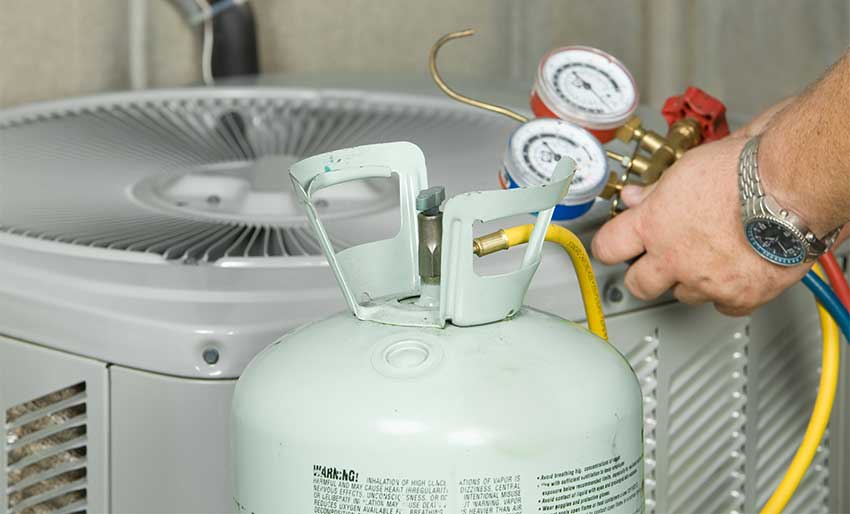
Another important industry change is the transition to A2L refrigerants in many new residential HVAC systems.
These next-generation refrigerants have a lower global warming potential (GWP) than many older refrigerants, helping reduce the environmental impact of air conditioning while supporting long-term sustainability goals.
For homeowners, this transition means:
While A2L refrigerants require updated equipment specifically designed to use them, they have been extensively tested and approved under modern safety standards when installed by trained HVAC professionals.
If you’re replacing an older air conditioner or heat pump, our licensed technicians can explain which refrigerant your new system will use and what that means for future service.
Is Now the Right Time to Replace Your HVAC System?
Not every system needs immediate replacement.
However, an upgrade may be worth considering if your equipment:
Replacing an aging system before it fails unexpectedly allows you to compare equipment, explore available rebates, and choose the best solution for your home instead of making a rushed decision during an emergency.
Choosing the Right System Is More Important Than Ever
With today’s incentives, efficiency standards, and new technologies, selecting a replacement HVAC system involves more than simply matching the size of your old unit.
An experienced HVAC professional can help evaluate factors such as:
A personalized recommendation helps ensure you invest in a system that delivers reliable comfort for years to come.
Trust Eclipse Heating & Cooling for Your Next HVAC Upgrade
Whether you’re replacing an aging air conditioner, upgrading to a high-efficiency heat pump, or simply comparing your options, Eclipse Heating & Cooling can help you choose a system that fits your home and budget. As an Energy Trust of Oregon Trade Ally, we also help eligible Oregon homeowners and businesses understand available rebates that can make an energy-efficient upgrade even more affordable.
Our team stays current with evolving HVAC technologies, efficiency standards, and equipment options so you can choose a system that fits your home, your comfort goals, and your budget.
If you’re considering an HVAC upgrade, contact Eclipse Heating & Cooling today to schedule a professional consultation and learn which energy-efficient solutions may be right for your home. Our highly trained team offers professional, efficient HVAC installation services.